
10 Common Mistakes in Cell Culture (and How to Avoid Them)
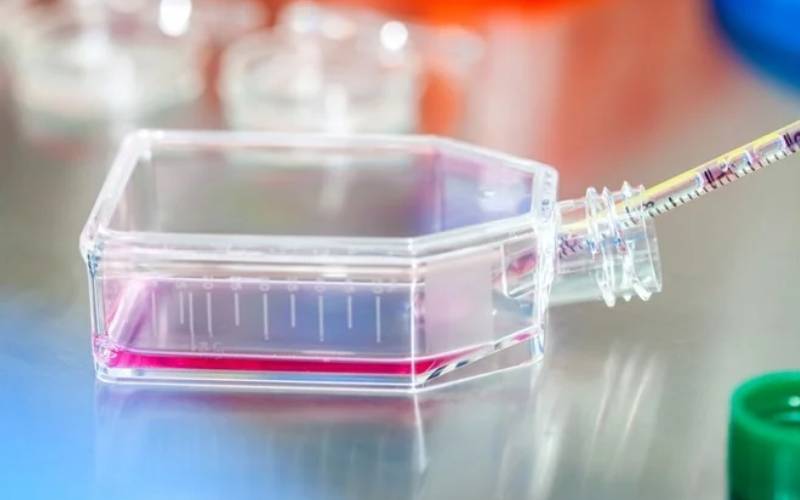
Maintaining healthy cell cultures is essential for generating reproducible and reliable data. Yet even experienced researchers sometimes make avoidable mistakes. Here are the 10 most common pitfalls in cell culture, with practical tips for prevention.
1. Using Contaminated or Unauthenticated Cell Lines
Misidentified or mycoplasma-infected cell lines compromise data integrity. Always source authenticated, mycoplasma-free lines with STR profiling.
2. Over-Passaging Cells
Cells accumulate genetic drift with continuous passaging. Limit passage numbers and establish early passage master stocks.
3. Poor Aseptic Technique
Failing to maintain sterile conditions leads to bacterial, fungal, or mycoplasma contamination. Use laminar flow hoods, sterilized reagents, and consistent hand hygiene.
4. Inconsistent Media Preparation
Differences in serum batches or supplement concentrations can alter results. Use validated media formulations and, when possible, lot-test serum.
5. Incorrect Incubator Conditions
Cells require stable temperature, humidity, and CO2 levels. Calibrate incubators regularly to avoid stress-induced variability.
6. Using Antibiotics as a Crutch
Routine antibiotic use masks poor technique and can select for resistant organisms. Use antibiotics only when absolutely necessary.
7. Ignoring Morphological Changes
Subtle changes in cell morphology may signal contamination or differentiation. Monitor cultures under a microscope daily.
8. Thawing or Freezing Improperly
Improper cryopreservation protocols reduce viability. Use validated freezing media and rapid-thaw methods.
9. Inadequate Documentation
Without proper records of passage number, seeding density, or culture conditions, reproducibility is lost. Keep detailed logs.
10. Scaling Up Without Optimization
Expanding cultures without adjusting oxygenation, nutrient supply, or vessel type leads to poor yields. Optimize conditions before scaling.