
Neural Cell Lines for Neurodegenerative Disease Research: Opportunities and Limitations
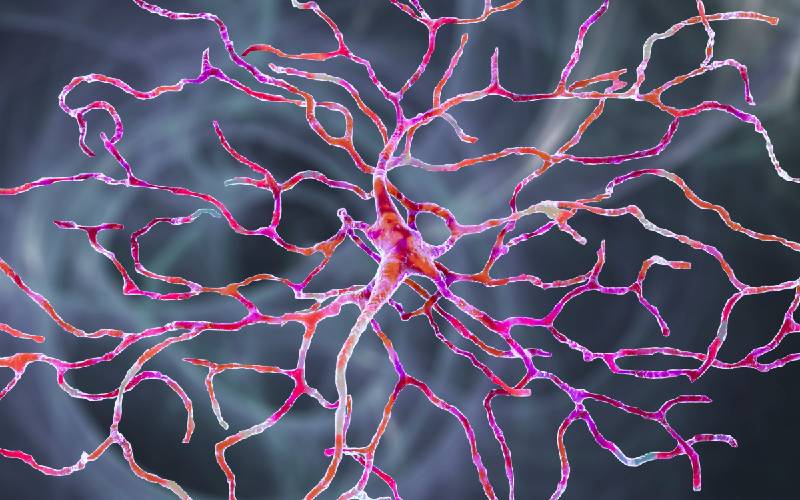
Neurodegenerative diseases—such as Alzheimer’s, Parkinson’s, Huntington’s, and amyotrophic lateral sclerosis (ALS)—pose urgent global health challenges. These disorders are marked by progressive neuronal loss, leading to cognitive decline, motor impairment, and ultimately reduced quality of life. Developing therapies for such diseases requires accurate in vitro models that reflect human neural biology.
Neural cell lines have become indispensable for these studies, offering accessible, reproducible, and cost-effective systems. However, while neural lines provide important opportunities, they also come with limitations compared to primary neurons or patient-derived stem cells. This article explores the strengths and drawbacks of neural cell lines in neurodegenerative disease research and highlights best practices for their use.
Why Use Neural Cell Lines?
Neurons are notoriously difficult to isolate, culture, and maintain, particularly when derived directly from human tissue. Neural cell lines bridge this gap by providing renewable, standardized models. Key advantages include:
- Reproducibility – Neural cell lines proliferate indefinitely, ensuring consistency across experiments.
- Scalability – Suitable for high-throughput drug screening and mechanistic assays.
- Ease of Maintenance – Compared to primary neurons, these lines require less specialized media and conditions.
- Cost-Effectiveness – Lower expenses make them accessible to a wide range of labs.
- Genetic Manipulation – Easier to engineer for reporter assays, CRISPR edits, or pathway-specific modifications.
These features make neural cell lines attractive for early-stage drug discovery, toxicology studies, and mechanistic research in neurobiology.
Commonly Used Neural Cell Lines
- SH-SY5Y (Human Neuroblastoma Cells)
- Derived from a metastatic neuroblastoma.
- Can differentiate into neuron-like cells using retinoic acid or other agents.
- Widely used in Parkinson’s disease research for studying dopaminergic neurons.
- Applications: neurotoxicity, oxidative stress, mitochondrial dysfunction, and synaptic biology.
- PC12 (Rat Pheochromocytoma Cells)
- Differentiate into neuron-like cells in response to nerve growth factor (NGF).
- Model for neurotransmitter release, neurotrophin signaling, and neuronal plasticity.
- Limitations: non-human origin and tumor-derived genetics.
- NT2 (Human Teratocarcinoma Cells)
- Can differentiate into post-mitotic neurons when treated with retinoic acid.
- Provide human-derived neural models for neurodevelopmental studies.
- LUHMES (Lund Human Mesencephalic Cells)
- Derived from human embryonic tissue.
Can be differentiated into dopaminergic neurons, making them particularly useful in Parkinson’s research.
Opportunities in Neurodegenerative Disease Research
Neural cell lines open several promising avenues for disease modeling:
- Parkinson’s Disease
- SH-SY5Y and LUHMES cells model dopaminergic neuron biology.
- Enable screening of neuroprotective compounds and analysis of mitochondrial dysfunction.
- Alzheimer’s Disease
- Neural cell lines allow study of amyloid-β toxicity, tau aggregation, and oxidative stress pathways.
- Useful for testing compounds that modulate synaptic health.
- Huntington’s Disease
- Engineered neural cell lines expressing mutant huntingtin protein provide insight into protein aggregation and neuronal death mechanisms.
- ALS
- Motor neuron-like lines help study excitotoxicity, oxidative stress, and protein misfolding.
- High-Throughput Screening
- Their scalability makes neural cell lines ideal for large compound libraries, accelerating early-stage drug discovery.
Limitations of Neural Cell Lines
Despite their utility, researchers must remain cautious:
- Tumor-Derived Origin
- Many neural lines originate from cancers, meaning they may not fully replicate healthy neuronal physiology.
- Incomplete Differentiation
- Even differentiated SH-SY5Y or PC12 cells may not express all neuronal markers or establish fully functional synapses.
- Genetic and Phenotypic Drift
- Prolonged culture and high passage numbers can alter gene expression profiles.
- Lack of Complexity
- Neural lines do not mimic the cellular diversity of the brain (astrocytes, microglia, oligodendrocytes).
- They cannot replicate the 3D architecture and network connectivity of in vivo systems.
- Species Differences
- Rat or mouse-derived lines may not perfectly model human disease biology.
Best Practices for Using Neural Cell Lines
To maximize validity and reproducibility:
- Source authenticated, mycoplasma-free lines from trusted suppliers.
- Differentiate appropriately (e.g., RA treatment for SH-SY5Y) and validate neuronal marker expression.
- Minimize passages to reduce genetic drift.
- Complement with advanced models such as iPSC-derived neurons, 3D organoids, or co-culture systems when translational accuracy is required.
- Document culture conditions carefully for reproducibility across studies.
Future Directions: Beyond Cell Lines
While neural cell lines remain essential tools, the field is moving toward more sophisticated models:
- iPSC-derived neurons allow patient-specific modeling of genetic diseases.
- 3D brain organoids replicate tissue-level organization and connectivity.
- Co-culture systems integrate neurons with astrocytes and microglia for greater physiological relevance.
Still, neural cell lines remain indispensable for early discovery, mechanistic studies, and cost-effective screening, providing a foundation for more advanced models.
Conclusion
Neural cell lines have transformed neurodegenerative disease research by offering reproducible, scalable, and manipulable in vitro models. They have been central to studies in Parkinson’s, Alzheimer’s, Huntington’s, and ALS, providing critical insights into disease mechanisms and therapeutic candidates.
Yet, their limitations—tumor origin, incomplete differentiation, and lack of in vivo complexity—mean that researchers should use them in combination with more advanced systems.
At Celltech Discovery, we provide authenticated, mycoplasma-free neural cell lines, shipped with Certificates of Analysis and technical support, ensuring that your work begins with reliable models.