
How to Choose the Right Human Cell Line for Your Research
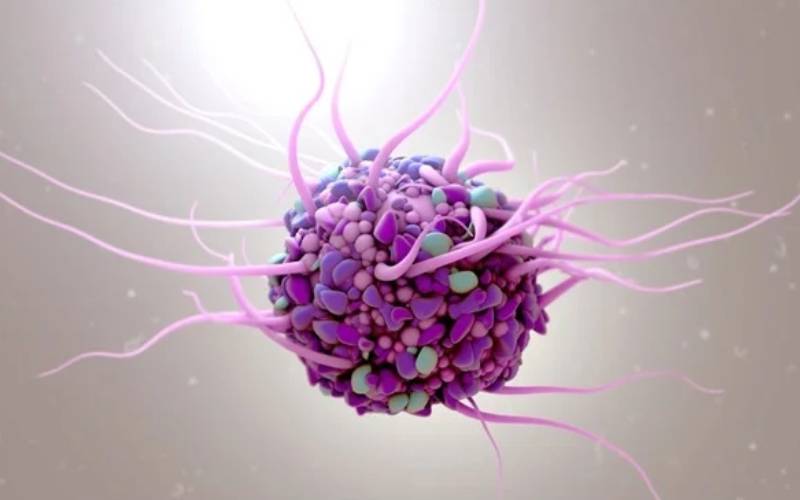
Selecting the right human cell line is one of the most critical decisions a researcher makes in designing experiments. The choice of model directly affects reproducibility, biological relevance, and ultimately the impact of the study. With hundreds of cell lines available—ranging from immortalized cancer lines to stem cell-derived and engineered models—the decision can be overwhelming. This article breaks down the main categories of cell lines, factors to consider before selecting one, and best practices to ensure your research outcomes are robust.
Understanding Cell Line Types
- Primary vs. Immortalized Cell Lines
- Primary cells are isolated directly from human tissue and retain the closest resemblance to in vivo biology. They exhibit normal morphology, gene expression, and metabolic functions. However, they have a limited lifespan (finite number of passages) and can be more difficult to culture.
- Immortalized cell lines, by contrast, have undergone genetic modification or spontaneous transformation that allows indefinite proliferation. While easier to maintain and widely used, they may drift genetically from their tissue of origin.
When to choose which:
- Use primary cells for studies where physiological accuracy is critical, such as toxicology, metabolism, or immunology.
- Use immortalized lines for high-throughput assays, mechanistic studies, or long-term projects where consistency and scalability are key.
- Cancer Cell Lines
Cancer research is one of the largest applications for human cell lines. Common models include:
- HeLa (cervical cancer): the first immortal human cell line, still used widely in molecular and cell biology.
- MCF-7 (breast cancer) and A549 (lung carcinoma): valuable for oncology and drug screening studies.
- Jurkat (T-cell leukemia): useful for immunology and apoptosis research.
Cancer cell lines provide a reproducible, renewable model for tumor biology, though they may not capture the full heterogeneity of patient tumors. Researchers often combine them with patient-derived xenografts (PDX) or organoid models for greater translational relevance.
- Stem Cell-Derived Lines
Human embryonic stem cells (hESCs) and induced pluripotent stem cells (iPSCs) offer unique advantages. They can differentiate into multiple lineages, enabling studies in neurobiology, cardiology, and regenerative medicine. Stem cell-derived lines are especially powerful for modeling genetic diseases and for drug discovery in rare conditions.
Challenges include variability between lines, differentiation efficiency, and ethical/regulatory considerations. If using these cells, ensure the supplier provides validated protocols and documentation of origin.
- Engineered and Reporter Cell Lines
Advances in CRISPR and transgene technology have enabled cell lines engineered for specific pathways or tagged with reporters (e.g., GFP, luciferase). These are ideal for:
- Tracking gene expression in real time.
- Screening compounds against targeted pathways.
- Creating disease-relevant models with defined mutations.
Engineered lines can save time and resources, but reproducibility depends on the quality of construction and authentication.
-
Key Factors to Consider
When choosing a human cell line, evaluate the following:
- Relevance to Your Research Question
- Match tissue of origin and genetic background to the biological system under study.
- Consider whether a normal, cancerous, or engineered model is most appropriate.
- Authentication and Quality Control
- Misidentified or contaminated cell lines are a widespread problem in life sciences.
- Always select authenticated lines (e.g., STR-profiled, mycoplasma-free) from reputable suppliers.
- Growth Characteristics and Ease of Culture
- Some cell lines require specialized media, growth factors, or substrates.
- Consider your lab’s infrastructure and technical expertise.
- Genetic Stability
- Immortalized lines can drift over time with repeated passaging.
- Minimize passages and create frozen stocks from early passages.
- Availability of Data and Literature
- Popular cell lines often come with a wealth of published data, protocols, and comparative studies.
- Using well-characterized lines may facilitate peer review and publication.
- Ethical and Regulatory Requirements
- Ensure compliance with institutional and regional guidelines, especially for stem cell work.
- Many journals now require documentation of authentication and ethical sourcing.
- Relevance to Your Research Question
Best Practices Once You Choose
- Obtain from trusted suppliers: Never rely on undocumented transfers between labs.
- Create a working bank: Freeze multiple vials at early passages to avoid long-term drift.
- Regularly test for contamination: Mycoplasma and cross-contamination can compromise months of work.
- Record keeping: Maintain detailed logs of passage number, culture conditions, and experimental outcomes.
Case Examples
- A lab studying HER2-positive breast cancer may choose SK-BR-3 cells because they naturally overexpress HER2, making them ideal for drug sensitivity testing.
- For neurotoxicity studies, SH-SY5Y neuroblastoma cells are widely used and can differentiate into neuron-like cells.
- For immunology research, THP-1 monocytes provide a model for macrophage differentiation and cytokine studies.
These examples highlight the importance of aligning the cell line’s inherent biology with the scientific question at hand.
Conclusion
The “right” human cell line depends on a balance between biological relevance, reproducibility, and practical considerations such as culture conditions and cost. Primary cells provide physiological accuracy but are finite. Immortalized lines are easier to handle but may diverge genetically. Cancer cell lines remain indispensable for oncology, while stem cell-derived and engineered models are pushing the frontiers of personalized and translational research.
Above all, sourcing authenticated, quality-controlled lines from reliable providers is non-negotiable. Choosing wisely at the start saves time, ensures data integrity, and strengthens the impact of your research.