
Standard FBS vs. Heat-Inactivated FBS
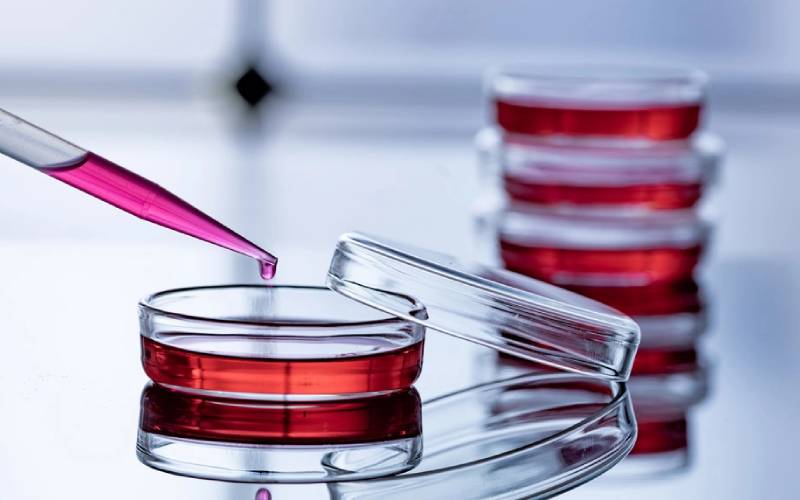
Standard FBS
- Collected, processed, and sterile-filtered without heat treatment.
- Retains full biological activity of growth factors, hormones, and enzymes.
- Recommended for most routine cell culture applications, including adherent cell lines, suspension lines, and stem cells.
Heat-Inactivated FBS
- Treated at 56°C to denature heat-sensitive components.
- May reduce some growth-promoting activity compared to standard FBS.
- Recommended for specialized applications, especially immunology or complement-sensitive experiments.
When to Use Heat-Inactivated FBS
- Immunology Studies
- Complement proteins can lyse immune cells such as lymphocytes and monocytes in vitro.
- HI-FBS minimizes complement-mediated interference in T-cell or macrophage assays.
- Antibody and Complement Fixation Assays
- Assays that involve complement require serum with inactive complement proteins to avoid nonspecific background activity.
- Hybridoma Cultures
- For antibody production, complement activity may reduce cell fusion efficiency. HI-FBS improves hybridoma growth and antibody yield.
- Virus Neutralization Assays
- Complement proteins can interfere with viral infectivity studies. HI-FBS ensures cleaner results.
When Standard FBS Is Sufficient
- Routine Cell Line Maintenance
- Most adherent lines (HeLa, A549, MCF-7) and suspension lines (Jurkat, K562) grow optimally in standard FBS.
- Stem Cell Culture
- Many stem cell protocols require full, intact growth factor activity. Heat treatment may reduce the potency of some factors.
- High-Growth Applications
- For rapid expansion of cell banks or large-scale cultures, standard FBS supports faster proliferation.
- Cost-Sensitive Projects
- HI-FBS is typically more expensive. Unless your application requires it, standard FBS is a cost-effective option.
Potential Downsides of Heat-Inactivation
While useful, heat-inactivation is not without drawbacks:
- Loss of Growth Factors: Some cytokines, enzymes, and hormones are partially degraded by heat.
- Reduced Cell Proliferation: Certain cell lines may grow slower in HI-FBS compared to standard FBS.
- Batch Variability: Heating may increase precipitation of serum proteins, contributing to variability between lots.
- Not Universally Necessary: Many labs routinely use HI-FBS even when it offers no benefit, adding unnecessary cost.
Best Practices for Using HI-FBS
- Confirm the requirement: Check published protocols or pilot test both standard and HI-FBS for your application.
- Store properly: Both standard and HI-FBS should be stored at –20°C (long-term) or 2–8°C (short-term). Avoid repeated freeze-thaw cycles.
- Mix before use: After thawing, swirl gently to redistribute any precipitates.
- Document in methods: Always state whether standard or HI-FBS was used in publications, since it can affect reproducibility.
Choosing Between Standard and HI-FBS
| Application | Recommended Serum | Reason |
|---|---|---|
| Routine cell culture (HeLa, A549, MCF-7) | Standard FBS | Supports robust growth |
| Stem cell maintenance | Standard FBS | Preserves intact growth factors |
| Immunology assays | Heat-Inactivated FBS | Reduces complement interference |
| Hybridoma culture | Heat-Inactivated FBS | Improves fusion and antibody yield |
| Virus neutralization assays | Heat-Inactivated FBS | Prevents complement interference |
Supplier Considerations
Not all HI-FBS is created equal. The heat-inactivation process must be carefully controlled to avoid denaturing too many growth factors. A trusted supplier will:
- Provide Certificates of Analysis (CoA) for each lot.
- Perform sterility, mycoplasma, and endotoxin testing post-treatment.
- Validate performance with sensitive immune cell lines.
At Celltech Discovery, we offer both standard and heat-inactivated FBS with rigorous quality control, enabling you to choose the formulation that best matches your experimental needs.
Conclusion
The choice between heat-inactivated and standard FBS depends entirely on your research goals. For most cell culture work, standard FBS is sufficient and cost-effective. However, if you are working with immune cells, hybridomas, or complement-sensitive assays, HI-FBS provides added reliability by reducing unwanted complement activity.
By understanding the differences and sourcing serum from trusted, tested suppliers, you can ensure reproducibility and confidence in your results.
👉 Looking for certified standard and heat-inactivated FBS? Browse our catalog at Celltech Discovery and request a quote today.