Welcome to CellTech Discovery

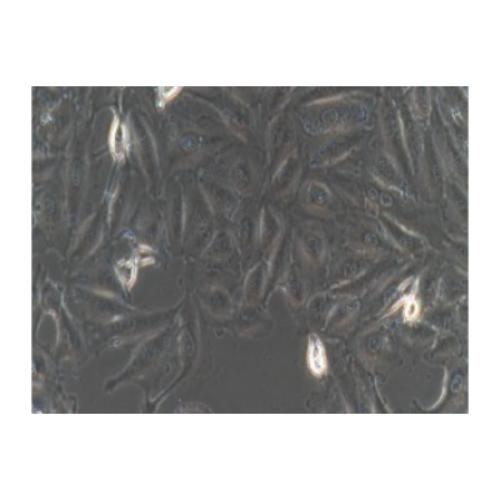
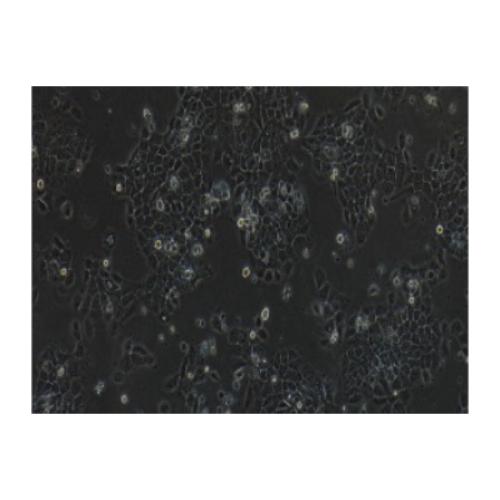
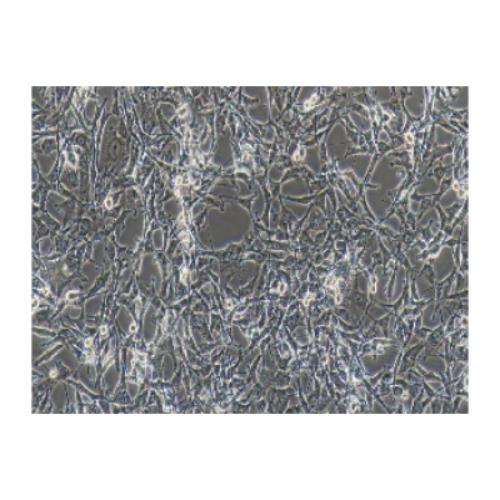
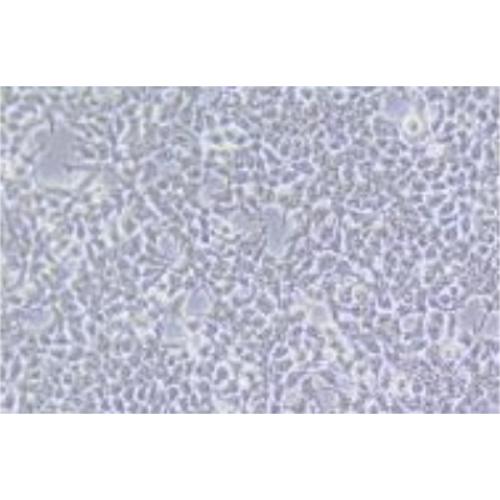
Human Thyroid Carcinoma Cell Line 8305C (Undifferentiated), #8305C is a trusted solution developed to meet the needs of modern research laboratories. It provides the essential features and quality required for consistent use in a wide range of studies.

Each batch of Human Thyroid Carcinoma Cell Line 8305C (Undifferentiated), #8305C is produced under stringent quality standards to ensure reproducibility and reliability. Its performance characteristics make it suitable for both routine and advanced research applications.

With its dependable quality and carefully controlled preparation, Human Thyroid Carcinoma Cell Line 8305C (Undifferentiated), #8305C supports researchers in achieving reliable outcomes. It is an ideal choice for laboratories seeking both performance and consistency.

Application:

1. Cancer Biology Research Mechanistic Studies Gene Function Studies Signal Transduction.

2. Drug Discovery and Development Screening of Anticancer Compounds IC50/EC50 Studies Mechanism of Action Combination Therapies.

3. Assay Development ELISA and Immunoassays Flow Cytometry Assays Reporter Gene Assays.

4. Omics and Biomarker Research Transcriptomics / Genomics Proteomics Metabolomics.

5. Tumor Heterogeneity and Resistance Mechanisms Clonal Selection Acquired Resistance Models.

6. Personalized Medicine and Precision Oncology Patient-Derived Cell Lines Companion Diagnostics.

7. Immuno-oncology Co-culture with Immune Cells Checkpoint Inhibitor Testing Antibody-Dependent Cytotoxicity (ADCC).

8. Vaccine Development Neoantigen Discovery Antigen Presentation Studies.

Background:

Human Thyroid Carcinoma Cells 8305C (Undifferentiated), #8305C are laboratory-grown cells derived from cancerous tissues. They are widely used across various domains of cancer research and drug development due to their reproducibility, ease of manipulation, and ability to mimic certain characteristics of actual tumors.

Disclaimer:

The data indicated herein are as indicated and validated in our laboratory. As these cell lines are of human origin, they carry a risk of latent human viruses (e.g., Epstein-Barr virus, hepatitis B). Therefore they should be handled accordingly with precaution. These reagents are for research use only and not for in-vitro diagnostics or human use.
Alternate Name 1

CVCL_1098 Cells

Alternate Name 2

8305C Cells

Organism

Homo Sapiens

Cell Line Origin

Human

Form

Mammalian Cell Line

Tissue From Which Cell Line Derived

Thyroid 8305C (Undifferentiated)

Type of Cells

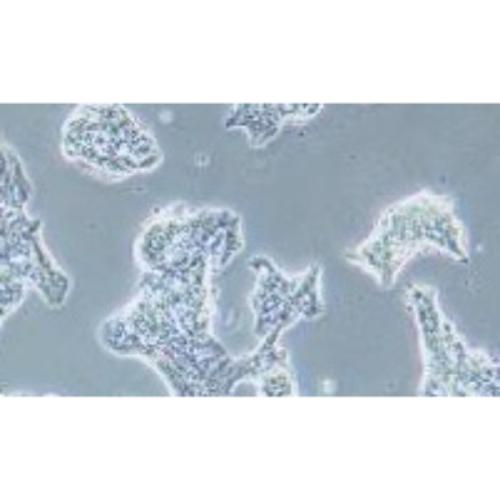
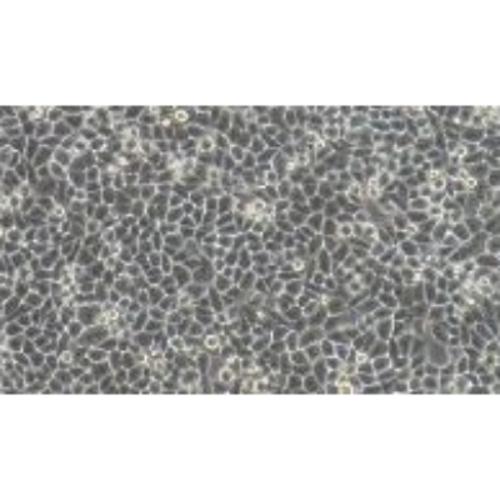
Adherent Growth

Biosafety Level

BSL-2

Culturing Medium

MEM + 10% FBS + 1% L-Glutamine + 1%NEAA + 1% Pen/Strep

Freezing Medium

55% Complete Culture Medium + 40% FBS + 5% DMSO

Cryopreservation

Upon Receipt of Cells: 1 mL cryovials are packed in dry ice for transportation. After receipt, clean the cryovial with 70% IPA to disinfect. Stored in a -80 Degree C refrigerator overnight and then transfer to liquid nitrogen or revive them directly as per your use. Note If the dry ice is found to have evaporated or the cryovial cap is detached/ damaged or the cells seems damaged, please contact us immediately.

Culture Conditions

Recovery of Frozen Cells: For Suspension Cell passaging, the following methods can be used as reference: 1) Shake the cryotube containing 1mL of cell suspension quickly within seconds in a 37 Degree C water bath to thaw. 2) Add it to a centrifuge tube containing 4-6mL of complete medium and mix well. Centrifuge at 1000rpm for 3-5mins. 3) Discard the supernatant, and resuspend the cells in complete medium. 4) Then add the cell suspension to a culture flask (or dish) containing 6-8ml of complete medium and culture overnight at 37 Degree C. 5) Observe the cell growth and cell density under a microscope the next day. 6) Cell subculture: If the cell density reaches 80%-90%, subculture can be performed. For Adherent Cell passaging, the following methods can be used as reference: 1) Shake the cryotube containing 1mL of cell suspension quickly within seconds in a 37 Degree C water bath to thaw. 2) Add it to a centrifuge tube containing 4-6mL of complete medium and mix well. Centrifuge at 1000rpm for 3-5mins. 3) Discard the supernatant, and rinse the cells 1-2 times with PBS without calcium and magnesium ions. 4) Add 0.25% (w/v) trypsin-0.53 mM EDTA to the culture flask (1-2 mL for T25 flask, 2-3 mL for T75 flask), 5) Place in a 37 Degree C incubator for digestion for 1-2 minutes (difficult-to-digest cells can be properly prolonged for digestion time), 6) Observe the cell digestion under a microscope. If most of the cells become round and fall off, quickly take it back to the operating table, tap the culture flask a few times, and add 3-4 ml of culture medium containing 10% FBS to terminate digestion. 7) Gently mix and aspirate, centrifuge at 1000rpm for 3-5min, discard the supernatant. Add 1-2mL culture medium and mix evenly. 8) Divide the cell suspension into new T25 bottles at a ratio of 1:2. 9) Add 6-8ml of new complete culture medium prepared according to the instructions to maintain cell growth vitality, and perform subsequent passages at a ratio of 1:2~1:5 as per actual conditions.

Non-Tumorigenic / Tumorigenic

Tumorigenic Cells

Sterility

Bacteria: Negative Yeast: Negative Mycoplasma: Negative

Pathogens

HIV: Negative Hepatitis B: Negative

Usage

For Research Use Only. Not for diagnostics or human use.

Shelf Life

12 months at time of shipping

Shipping

Shipped in Dry Ice at -20 Degree C

Storage

Store at -176 Degree C in liquid nitrogen vapor phase. It is recommended to aliquot and store to avoid repeated freeze-thaw as it affects the stability of the cells.

Reviews

There are no reviews yet.

Be the first to review “Human Thyroid Carcinoma Cell Line 8305C (Undifferentiated), #8305C”

Your email address will not be published. Required fields are marked *